The hum of the terminal lobby is broken by the sharp, mechanical rip of a thermal printer spitting out a baggage tag. You step up to the check-in counter, hefting your carefully curated carry-on onto the metallic scale. The red digits flicker, instantly climbing past forty pounds, and the agent gives you that familiar, apologetic wince. You packed masterfully. Every sock, shirt, and sweater is vacuum-sealed into sleek nylon squares, creating a visually perfect grid. Yet, here you are, fishing for a credit card to cover a heavy baggage fee.
The modern traveler treats luggage like dense digital data, squeezing days of wardrobe into the tightest possible geometry. But organizing gear with militant precision creates a physical density that betrays the very concept of traveling light. By eliminating the natural air between your clothes, you accidentally invite yourself to pack three times the necessary fabric. The visual neatness masks a severe weight penalty.
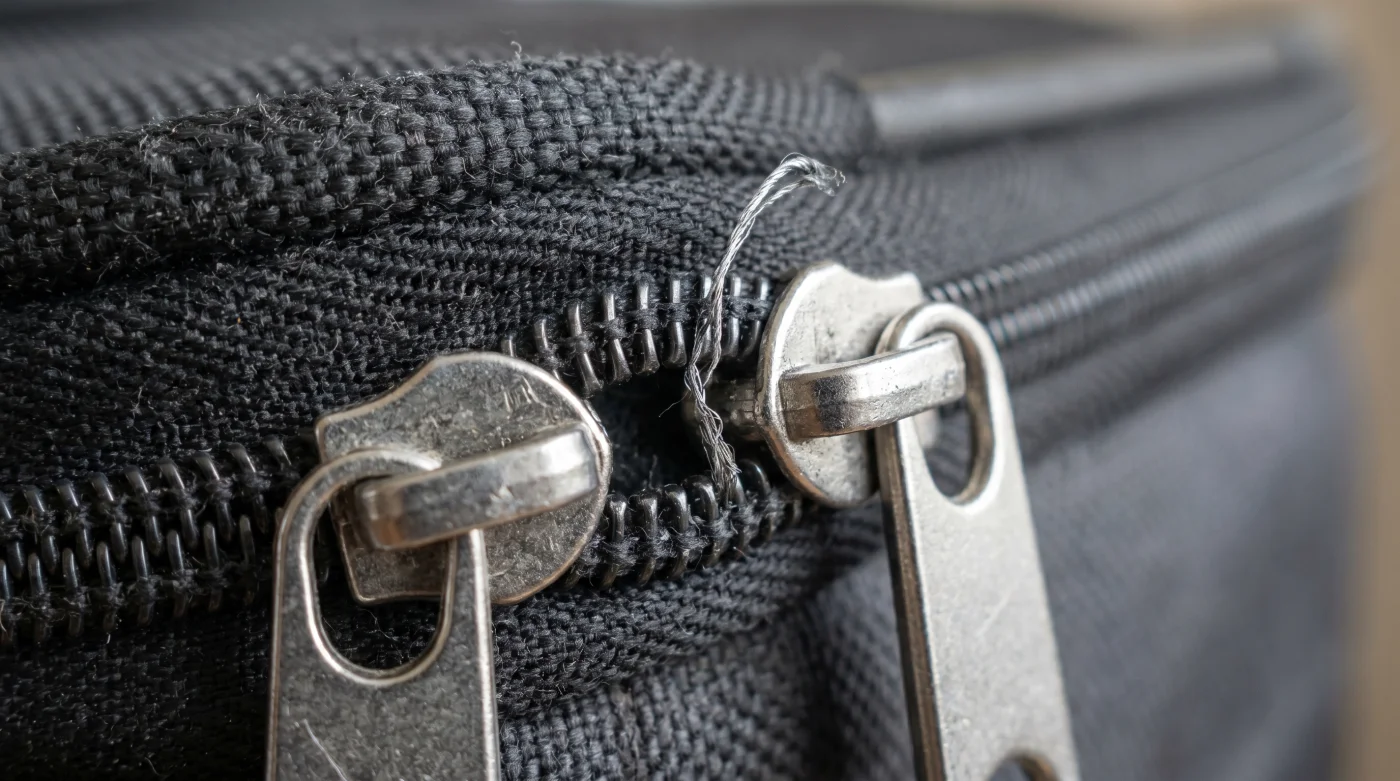
Think of your suitcase not as a rigid storage unit, but as a living structure that needs room to flex. When every corner is jammed with rigid, brick-like blocks of compressed clothing, the fabric of the bag bears the blunt force of the tension. The seams groan, the wheels drag under the concentrated mass, and a minor bump on the baggage carousel becomes a catastrophic blowout waiting to happen.
Leaving physical negative space preserves your structural integrity and protects the vulnerable hardware. By stepping away from the urge to stuff every square inch, you shift your travel strategy from hoarding textiles to moving with actual agility across crowded concourses.
The Perspective Shift: The Luggage Lung
The allure of the packing square is rooted in a misunderstanding of efficiency. We confuse geometric neatness with physical lightness. When you tightly bundle a week of heavy denim and wool into a small zippered pouch, the visual clutter disappears from your bed, but the gravitational pull remains entirely unchanged inside the bag. You are simply creating heavier individual bricks.
Leaving intentional, breathing room absorbs brutal physical shocks during turbulent transit. Think of your luggage as needing to inhale and exhale. When a handler tosses a half-empty bag, the void acts like a soft cushion, distributing the kinetic force. When it hits the tarmac, the impact dissipates through the loose fibers rather than violently snapping an over-tensioned zipper track.
Consider Elias Vance, a 42-year-old lighting technician who spends forty weeks a year bouncing between international stadium tours. For years, Elias relied on heavy-duty compression sacks, squeezing a month of thick crew shirts into a carry-on shell until the seams sheared off mid-flight over the Atlantic. He realized that forced density was actively destroying his gear. His new rule is that the packed luggage needs to feel like breathing through a pillow. If the exterior shell is taut before you even sit on it to close the clasp, you are already inviting mechanical failure.
- Rimowa Aluminum Cabin cases dent easily despite premium pricing
- Suica Transit Card etiquette separates Tokyo locals from tourists
- NYC MetroCard swipe errors increase vulnerability at turnstile bottlenecks
- Osprey Farpoint 40 dimensions bypass rigid European budget carriers
- Hilton Honors App choices dictate corner room upgrade probability
Luggage Minimalism: The Three-Item Rule
The secret to bypassing the scale anxiety at the counter isn’t finding stronger hardware. It is embracing intentional minimalism through a strict, three-item foundational packing list that avoids fees completely. Your wardrobe should operate as an integrated, modular system rather than a collection of isolated, independent outfits.
- The Primary Shell: One weather-resistant outer layer that dictates the color palette of the trip. Everything beneath it must match.
- The Merino Base: A single, high-quality wool mid-layer. It resists odor naturally, meaning one sweater does the work of five cotton pullovers.
- The Dual-Terrain Shoe: A single pair of footwear that transitions from morning pavement walking to evening dining without looking out of place.
Adjustment Layers for the Modern Flyer
Not everyone travels with the exact same rhythm, and applying negative space requires a nuanced approach depending on the specific demands of your itinerary. You have to tune this philosophy to your personal friction points.
The touring business traveler fears the wrinkled collar above all else, often pushing them toward heavy garment folders. If this is you, lay your structured items flat at the base of the suitcase, using the natural curve of the bag’s spine. Leave the top third of the suitcase completely void. This prevents the crushing pressure that actually bakes wrinkles into the fabric during a long-haul flight.
For the chronic overpacker, the instinct to fill the void is deeply psychological. You see a gap near the handle and immediately shove two extra pairs of socks into the crevice just to feel prepared. Challenge this instinct intentionally.
Leaving that empty corner ensures a frictionless boarding process when the overhead bins are tight. That small pocket of air allows the bag to compress slightly when you push it past the plastic lip of the compartment, saving you from a public wrestling match in the aisle.
Mindful Packing Mechanics
Relearning how to pack means abandoning the forced geometry of squares and returning to a natural, fluid arrangement of soft goods. Stop treating the suitcase like a dumpster for anxiety-driven scenarios that will never happen on your trip.
Execute your packing routine with slow, deliberate intention instead of panicked stuffing. A tactical toolkit for this mindful approach requires checking your instincts at the bedroom door.
- Limit your bag to exactly seventy percent visual capacity before attempting to pull the zipper.
- Use your fingertips to press lightly on the center of the closed bag; the fabric should yield immediately to the touch.
- Rethink your laundry strategy so you can rely on the three-item list, utilizing hotel sinks for overnight refreshing.
The Luxury of Empty Space
Ultimately, forcing fifty pounds of life into a twenty-pound container does not make you a better traveler. It makes you a heavily burdened one, tethered to the physical weight of your own indecision and anxiety.
Embracing negative space becomes a profound act of freedom that changes how you move through the world. You stop fighting the hardware of your bag. You stop negotiating with ticketing agents. You walk past the baggage drop with a lightness that extends far beyond the actual pounds on your shoulder.
The next time you prep for the road, look at the empty corners of your suitcase not as wasted potential, but as a protective buffer against the unpredictability of transit. The void is not empty; it is filled with your own peace of mind.
“The less you try to outsmart the physical seams of your bag, the further those seams will ultimately carry you.”
| Key Point | Detail | Added Value for the Reader |
|---|---|---|
| Negative Space | Leaving 30% of the bag completely empty before closing. | Acts as a shock absorber against baggage handler drops. |
| Friction Limits | Refusing to press down to force the zipper closed. | Eliminates unexpected counter overweight fees completely. |
| The 3-Item List | Packing only one shell, one merino base, and one hybrid shoe. | Removes the psychological crutch of anxious overpacking. |
Frequently Asked Questions
Will leaving empty space cause my clothes to wrinkle more?
No. Wrinkles are baked in by pressure, not movement. Loose folds prevent the sharp creasing caused by compression.How do I stop my items from shifting if the bag isn’t full?
Use the internal tie-down straps provided in most luggage, pulling them gently over your soft layers to secure the mass without crushing it.Aren’t packing squares good for staying organized?
They organize visually, but they encourage overpacking physically. Use one for small loose items like charging cables, rather than soft garments.What is the best way to weigh luggage at home accurately?
Stand on a bathroom scale holding the bag, then subtract your own weight. Luggage-specific hand scales often degrade in accuracy over time.If I follow the 3-item list, how do I handle laundry on longer trips?
Merino wool naturally resists odor, and thin synthetic shells rinse clean in a hotel sink, drying overnight on a simple hanger.