The air underneath Shinjuku Station smells faintly of ozone, roasted barley tea, and hurried ambition. You stand on the edge of the sprawling concourse, watching what looks like a perfectly choreographed human ballet. Hundreds of people pour through a narrow row of glowing turnstiles, a relentless tide of tailored wool coats and crisp sneakers moving to the rhythmic, melodic chirp of payment sensors. There is no shouting, no pushing, just a steady, mechanical hum of efficiency.
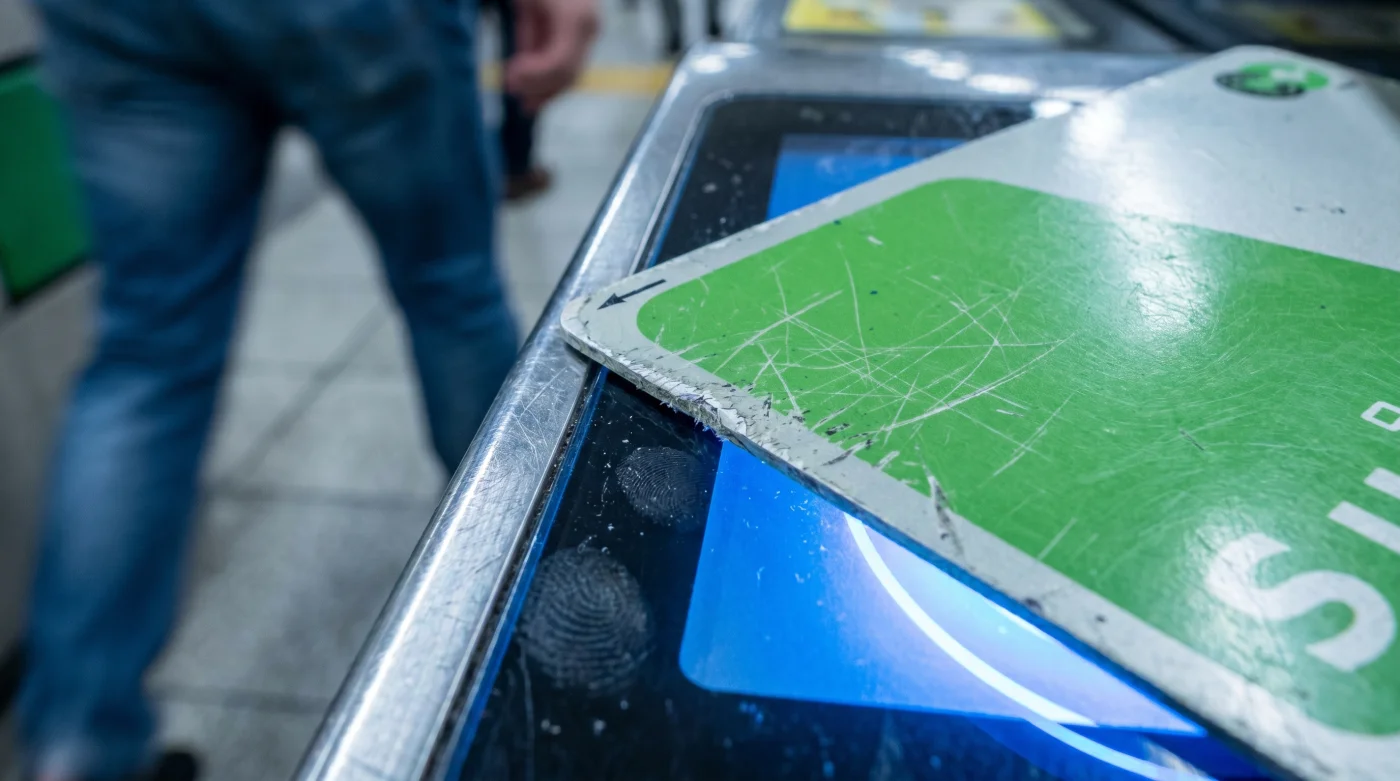
But then, the rhythm visibly breaks. A bright-eyed visitor steps up to the gate, plants both feet firmly on the linoleum flooring, and presses their Suica card flat against the blue circle, waiting a full two seconds for a green light of permission to pass. The hesitation ripples backward instantly, forcing three commuters behind them to visibly stutter-step, their morning momentum suddenly choked by a microscopic, unnecessary delay.
In that fraction of a second, the invisible line between resident and outsider is drawn in thick ink. You might have memorized a few conversational phrases, figured out the exact angle to bow to a shopkeeper, or learned how to order perfectly at a quiet ramen counter, but the true test of belonging here happens at a strict three miles per hour.
The secret to navigating the world’s busiest transit arteries gracefully isn’t about moving faster or rushing your steps. It is about understanding that your physical footprint extends far into the space around you. Harmony requires a forward glide, a quiet, bodily agreement that the machine will catch your digital signal without demanding your physical stillness.
The River and the Stone
Think of Tokyo’s morning commute like a fast-moving river flowing through a narrow gorge. If you toss a smooth branch into the water, it travels at the exact speed of the current, displacing almost nothing. If you drop a heavy stone into the center, the water crashes violently against it, creating chaotic turbulence that disrupts the entire surface for yards in every direction.
When you stop walking to tap your transit pass, you become the heavy stone in the current. The system anticipates your motion, built on a technological infrastructure designed to register an RFID microchip in mere milliseconds. The gate reader does not need a firm handshake or a lingering touch; it only needs a passing glance to deduct your fare and light your path.
Kenji Sato, a 48-year-old station master who has overseen the busy Shibuya gates for two decades, watches this dynamic daily from his glass booth. Between sips of bitter canned coffee, he listens to the mechanical symphony of the gates. He notes that foreign visitors often treat the turnstile like a locked door requiring a physical key, while locals treat it like an open window they simply toss a coin through. ‘I can tell who lives here by the angle of their shoulders,’ Kenji told a junior attendant recently, pointing to the morning rush. ‘The tourists brace their core for a physical barrier. The locals relax their arms, knowing the gate will part for them before their knee even crosses the threshold.’
Adjusting Your Approach to the Gate
The way you hold your fare dictates the grace of your passage. Depending on how you store your digital yen, your body mechanics must adapt to maintain that vital, unbroken walking speed through the narrow channel.
For the Digital Wallet Holder
If you have loaded your transit pass onto an iPhone or Android device, the transaction happens almost too fast for the human eye to perceive. For American travelers used to double-clicking side buttons for Apple Pay at the grocery store, this requires a leap of faith. You must enable ‘Express Transit’ in your wallet settings. Once active, you do not need to wake your phone, authenticate with your face, or even look at the screen. Keep the phone loose in your dominant hand, screen facing away from the sensor, and brush the top edge of the device over the glowing blue circle. Your arm should act as a soft shock absorber, extending slightly forward to tap while your torso simply keeps moving.
For the Physical Plastic Loyalists
There is an undeniable tactile satisfaction to holding the traditional green-and-silver plastic card. However, digging it out of a deep pants pocket at the last possible second causes the exact bottleneck you are desperately trying to avoid. Keep it readily accessible in an outer jacket pocket, a dedicated lanyard, or a thin front-pocket wallet. When approaching the gate, hold the card lightly between your index and middle fingers. A gentle, sweeping touch is entirely sufficient. Do not slap the sensor hard; let the plastic graze the reader like a skipping stone skimming across a quiet pond.
For the Heavy Luggage Haulers
Navigating wide accessibility gates with a rolling suitcase introduces a distinct physical handicap. The natural instinct is to push the luggage through the gap first, then pause awkwardly to stretch over and tap your card. Instead, keep the suitcase firmly beside you. Align your body with the sensor side of the wide gate, tap with your leading hand, and pull the heavy luggage through strictly behind you in one continuous, unbroken stride.
The Mechanics of the Glide
Mastering this forward movement requires a deliberate, minimalist routine. It is a quiet physical mantra you perform before entering the station environment. Your posture dictates the outcome. Keep your chin up and your eyes fixed entirely on the empty space beyond the gate, rather than staring down at the blue sensor beneath your hand.
- The 10-Foot Rule: Have your smart device or plastic card fully in hand ten feet before reaching the gate. Absolutely no bag rummaging in the final approach.
- The Leading Arm: Extend your scanning arm slightly ahead of your body, allowing the digital tap to happen half a second before your legs cross the physical threshold.
- The Soft Touch: The card or phone should hover barely a millimeter above the plastic reader. Physical contact isn’t strictly necessary; the radio frequency extends just above the surface.
- The Unbroken Stride: Maintain a consistent three-mile-per-hour walking pace. Do not shorten your steps or drag your heels as you approach the machinery.
Think of the movement like passing a wooden baton in an Olympic relay race. The transition must be seamless, with the receiving runner already moving at full speed when the crucial handoff occurs.
Tactical Toolkit: Transit Fluidity
- Sensor Range: Roughly 1 to 2 inches above the reader pad.
- Processing Time: Exactly 0.2 seconds from chip to system.
- Optimal Pace: A brisk, confident walk. Zero running, zero stopping.
The Quiet Respect of Moving Forward
Perfecting this small, seemingly mundane physical habit might feel like an extreme obsession over a trivial detail. But in a dense metropolis of nearly fourteen million people, physical personal space is an incredibly rare currency, and passing time is the only luxury everyone equally shares.
When you consciously maintain your walking speed through that electronic gate, you participate in a silent contract with the hundreds of strangers moving around you. You are quietly acknowledging that their morning commute to the office is just as valuable as your planned vacation schedule.
You stop being a passive visitor observing a foreign culture through a smudged glass window. By physically adopting the rapid rhythm of the city, you actively weave yourself into the dense fabric of its daily survival. The next time you approach the turnstile, trust the underlying technology, trust your own momentum, and simply keep walking.
The true mark of a seasoned traveler isn’t the stamps in their passport, but the absolute lack of hesitation in their step when navigating a foreign crowd.
| Key Point | Detail | Added Value for the Reader |
|---|---|---|
| Express Transit Mode | Bypasses Face ID and passcodes for transit payments on smartphones. | Eliminates screen-fumbling, allowing a fluid, one-handed tap at full walking speed. |
| The Leading Arm Technique | Extending your arm slightly forward to trigger the sensor early. | Ensures the gate doors remain open before your body physically enters the gap. |
| Trailing Luggage Method | Pulling suitcases behind you through the wide accessibility gates. | Prevents awkward stretching and stops the suitcase from blocking your natural stride. |
Frequently Asked Questions
What happens if the gate flashes red and closes?
Step back immediately and move to the side. Do not force your way through. Find a station attendant at the nearby glass window; usually, it just means you forgot to tap out at your last destination or your balance is too low.Do I need to physically touch my phone to the plastic reader?
No. The IC chip reader uses radio frequencies that extend about an inch above the blue circle. Hovering your device just above the surface is perfectly effective and prevents screen scratches.Can I use Apple Pay with a foreign credit card loaded?
Yes, but the underlying transit card must be a digital Suica, Pasmo, or ICOCA loaded into your Apple Wallet. You fund this digital transit card using your saved foreign credit cards.Should I use my left or right hand to tap?
Always use your right hand. The sensors are universally positioned on the right side of the gate path to accommodate the standardized flow of traffic.Is it considered rude to check my balance at the gate?
It is highly impractical. The small screen on the gate flashes your balance for a fraction of a second as you pass. If you need to verify your funds, use a ticket machine before entering the flow of commuter traffic.